
On my street
HMOs, Reform stickers and flag-shaggers

Last year our gentle giant of a neighbour Tony passed away. We live in a row of redbrick Victorian terrace houses, narrow and pushed up against each other, so in a way, it felt like Tony lived with us.
At weekends, my five-year-old son used to count down until the cuckoo clock went off each hour and we found the shuffles in the kitchen and the whistle of the kettle strangely reassuring. On the other side of the wall we shared, Tony had a cabinet packed full of model buses he'd collected over decades. His Dad had “worked on the buses” and hoped he would do the same, but Tony wanted a trade - a craft, really. A job came up as a bookbinder and so he went down the road every day for fifty years, until he retired to tend to his greatest love: his garden. From cradle to grave, this street was his home turf, an area he’d left only once for a holiday “on the continent”. He was the kind of guy who kept himself to himself, who never wanted to be “a bother” and apologised repeatedly for the slightest ask - a drop of milk or help to bring heavy bags inside.
One spring afternoon, I heard an ambulance siren coming closer and then the blue flashing light outside. Tony had collapsed seven hours earlier. He had lain on his living room floor, calling out for help, with me only metres away on the other side of the wall nursing our tiny baby. Along with the paramedics, I and another neighbour lifted his wheelchair over the steep front step and brought him to the ambulance. I knew that was the last time I'd see him. I knew he would never come home again.
After Tony died, a kind of spectre hung over the terrace block for more than six months. Then one frosty January day, a dozen builders came in, the stink of smoke on their clothes and radios blasting out. The cuckoo clock was ripped off the wall and replaced by pneumatic drills, making the foundations of the house shake. I wandered around taking photos as hairline cracks appeared on the walls. Cigarette butts and dust covered the front porch to our house. The companiable silence I and Tony once shared was gone.
Within a couple of weeks, the inside of Tony’s two-up, two-down had been demolished. We looked on from our garden as they yanked up his daffodils and razed down his beloved magnolia tree. The tomato plants he’d taught me how to nurture the summer before sat knocked over on their sides as the patio was drilled through and a rear extension chucked up carelessly. The 1970s maroon carpets were rolled up and carted out. Skiploads of battered floorboards, moth-eaten curtains and floral wallpaper were taken off to the tip. The wall where his collection of antique model buses had once been was knocked down and replaced by a flimsy partition. It was a shell. Tony would have hated it.
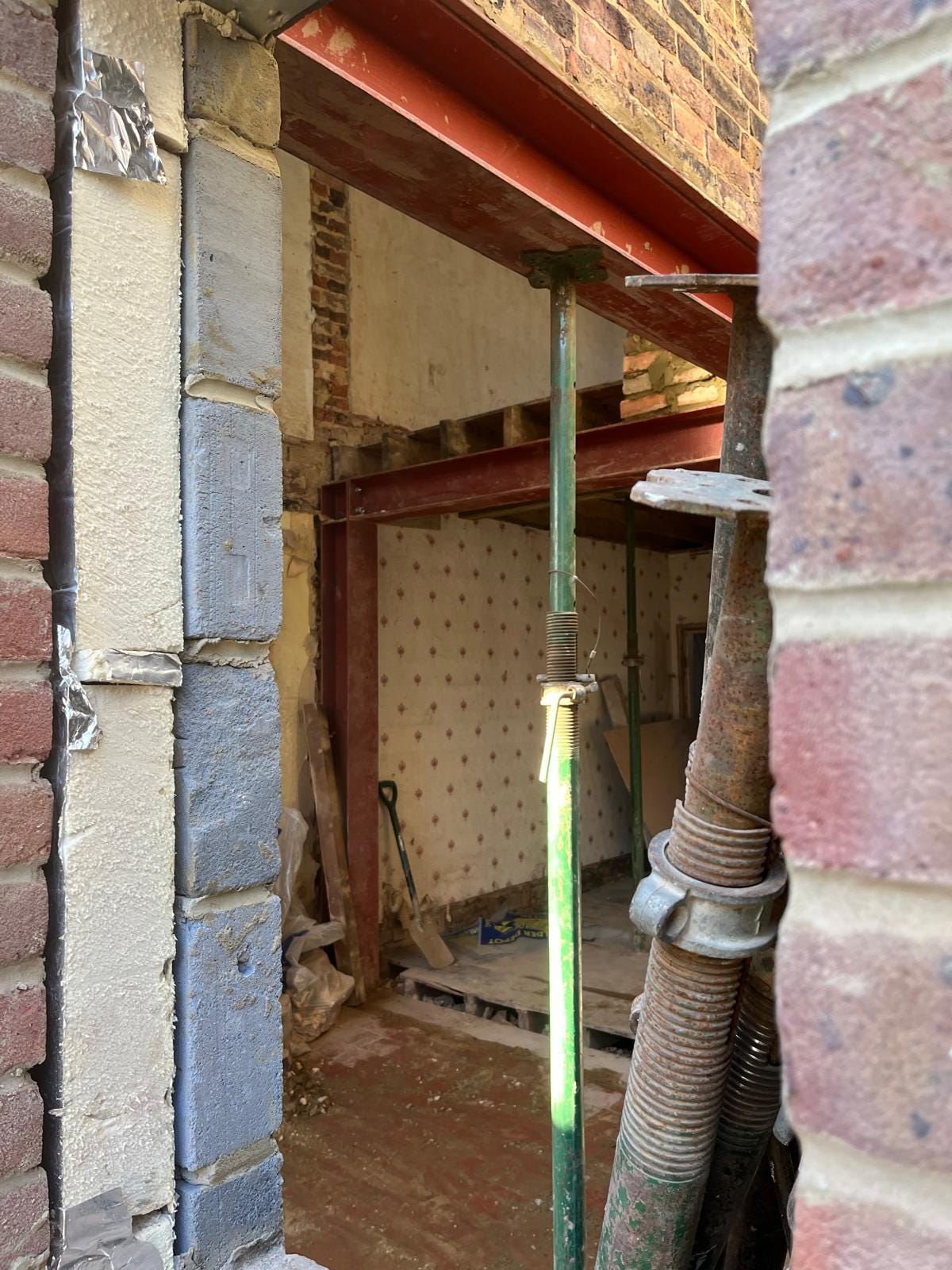
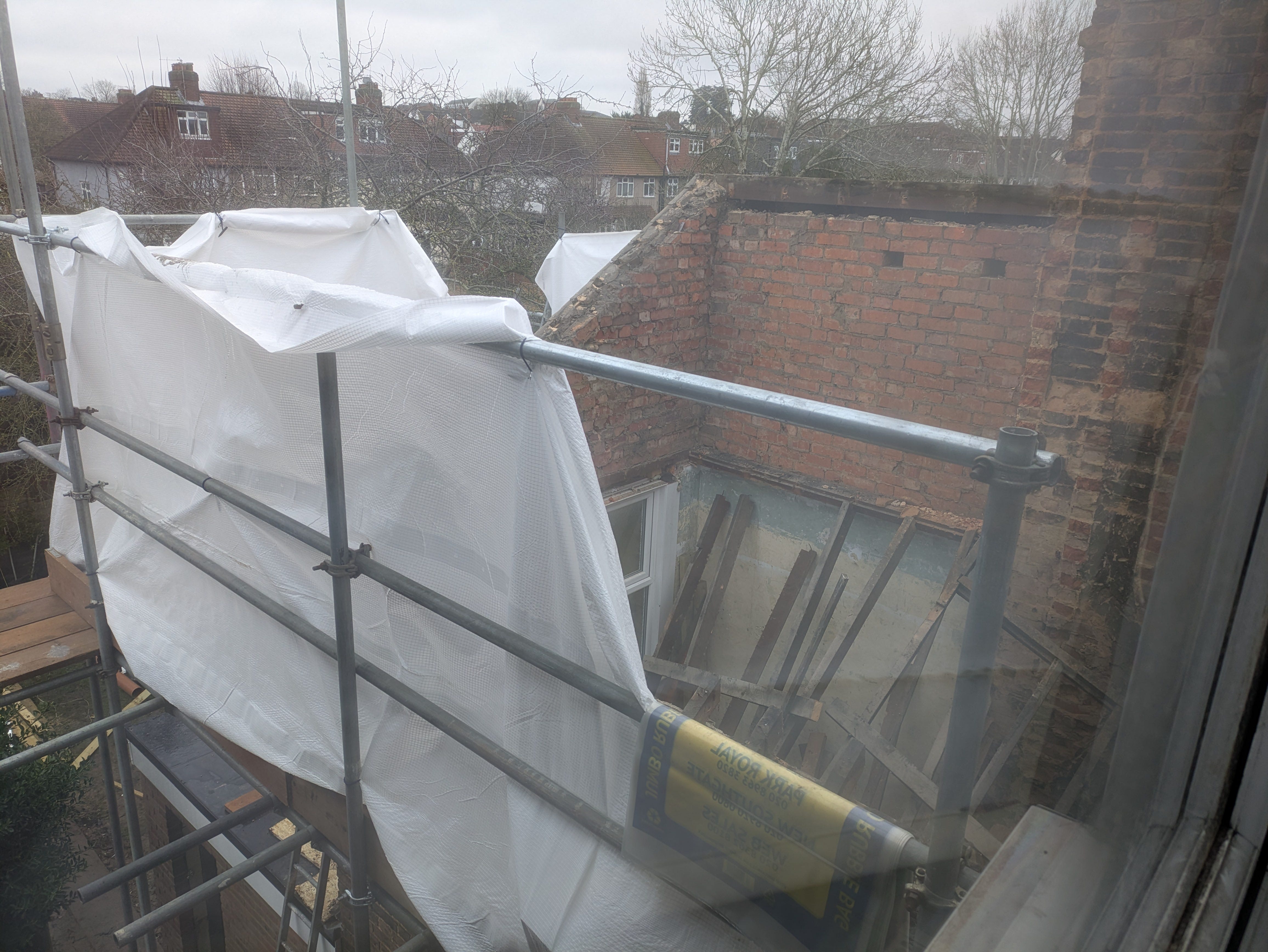
For those few months, neighbours up and down the street were up in arms. There were repeated knocks at the door, scraps of paper put through the letterbox. Heard anything more? Any updates?
Calls were fired round to the local council, wondering who now owned the property. Tony had rented the house for more than four decades; surely it had been handed back to the landlord? Or had a developer bought it on the cheap to rent out? Curtains were twitching and everybody wanted answers, and peace.
The last thing that went in was the buzzers. Six of them. Tony’s cosy little home had been turned into tiny studio flats, each with a single bed, a kitchenette and a toilet, two on each floor. A few days later, our (brilliant, Lib Dem) local councillor came knocking, saying they had looked into it. The house was now an HMO – a house of multiple occupancy – leased to Serco, a multi-billion dollar private sector company, to house asylum seekers waiting for a decision on their claim.
I imagined this was what was happening to it, but heading it confirmed was, to me, an exciting development. I’ve written a book about the asylum system and reported on it for years. Now I was going to see what the situation was like close-up, even closer than before.
My enthusiasm is not shared. Over the last couple of weeks, the murmurings have started. The guy who runs the fruit and veg shop on the high street has been asking about the “new foreigners coming in”. The flag-wavers up the road and their incontinent bulldog stopping to peer in the front window. The truckers with Reform stickers on the windows who’d gone out and painted the crossings with red flag lines pausing out front. None of them know the views of the progressives further down the terrace, the beardy special needs teacher and the immigration reporter who befriends newcomers and welcomes them into the family home. It won’t be long until they do.
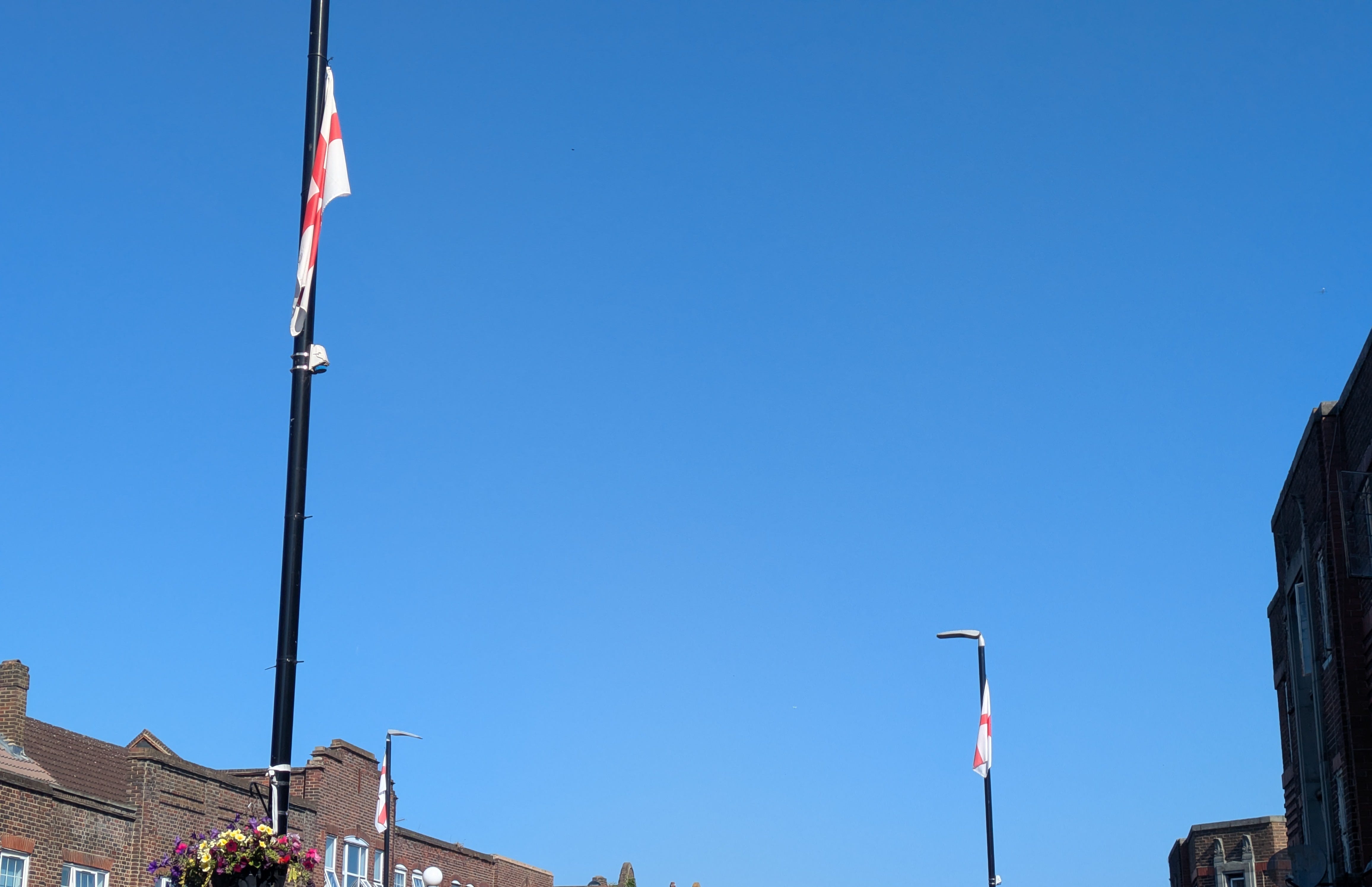
Last week I read a piece in the New Statesman by the excellent Anoosh Chakelian about HMOs, which brought home just how localised asylum now feels. The dispersal system has roundly failed. Tens of thousands of people have been moved to areas of the country where accommodation is cheaper - typically, less affluent areas - and Serco, vulture-like, swoop in, promising landlords a several-year-long lease with guaranteed monthly payments and no expectation of repairs or extra maintenance costs. As Anoosh writes in her piece, they and a handful of other Home Office subcontractors are seen as the “fairy godmother”, the golden ticket. Meanwhile, those at the sharp end are placed in areas where many locals don't want them.
HMOs are in nobody's interests except these profiteering private sector companies. Asylum seekers often feel so unwelcome they don't want to leave the house, they’re not allowed to work, so they hang around, disenfranchised and disaffected. Locals don't like that. The face of their communities appears to be changing, and they might - as some on my road certainly do - hold more entrenched views about the individuals themselves, security concerns or more overtly racist behaviours may come to the fore.
There are others on the road, though, who I know will make whoever is here feel welcome. On the other side of the wall is a lifelong Greenpeace member, a birder, who still has the Ukrainian flag in his window. There's an eccentric lady with the EU flag and a Remain sticker on the door. The new family opposite who go on marches, waving ‘Stand up to Racism’ banners. And there's us, Guardian-reading, tofu-eating wokerati, on standby to help whoever moves in next door. Because greedy fat cats aside, that’s what Tony would have wanted: for his house to always feel like home.
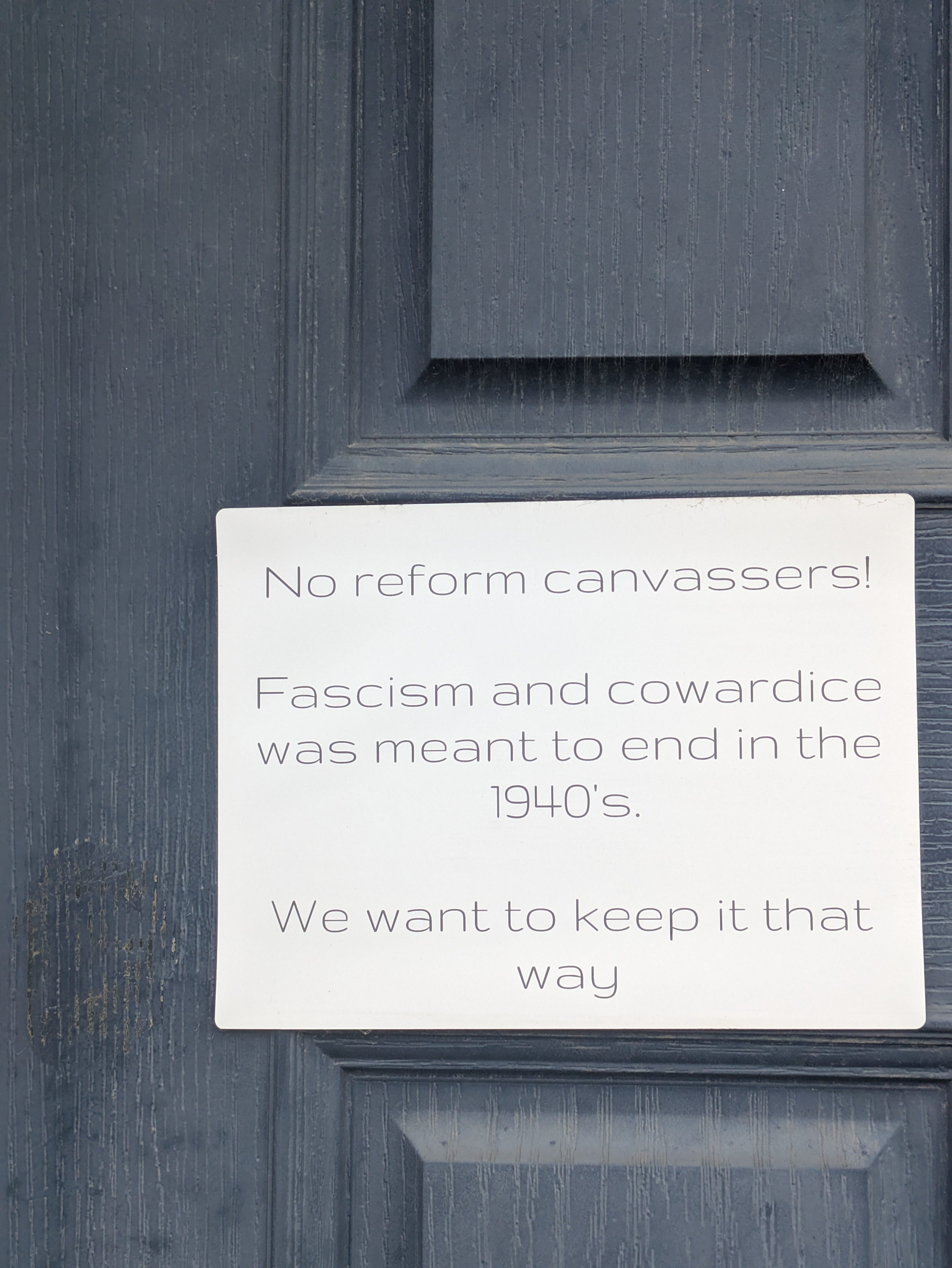
"Flag-shaggers" indeed! "☺️"
"Because greedy fat cats aside, that’s what Tony would have wanted: for his house to always feel like home."
I really do salute you in this hopeful endeavour, Nicola; for every single bloody Home Office gaff that I have been in; and even the very walls seem to drip with joylessness and despair!
Thank you; and wishing you and your new neighbours all of the very best! ☺️👍