
How to find ideas
On a walking tour of Dickens' London, maybe

There’s a kind of restless agitation that sets in when I'm not working on a creative project. I start to find everything mechanical, like I'm going through the motions, and am frequently distracted, irritable and unable to focus.
Starting work on a book is utterly intoxicating, like “turning every colour”, as Joan Didion described it. The freedom of the page can be addictive. Instead what I have at the moment are lists; lists of non-starters, piles of books to inspire ideas and screwed-up balls of paper around the bin.
When I'm working up ideas, I often think of ‘Carol’, the UK publishing world’s target reader: a middle-aged, middle-class woman in her fifties who tends to be drawn to fiction. She doesn't want to read facts or dense text; she wants escapism, maybe something she can relate to, something funny or bold or aspirational. Nobody wants to read a book about difficult times while we are still living through them (except me, maybe). We want to imagine worlds that are better, lighter, to think about what could be.
I totally get it. Last year - the year that nearly broke me - I almost exclusively read literary and autofiction. Anytime I picked up non-fiction of any kind I couldn't concentrate longer than a few pages. Now I'm back to the drawingboard, jotting down thoughts, I find I'm pulling works of journalism, creative non-fiction and memoir off my shelves and pushing the world of make-believe to the bottom of my TBR pile.
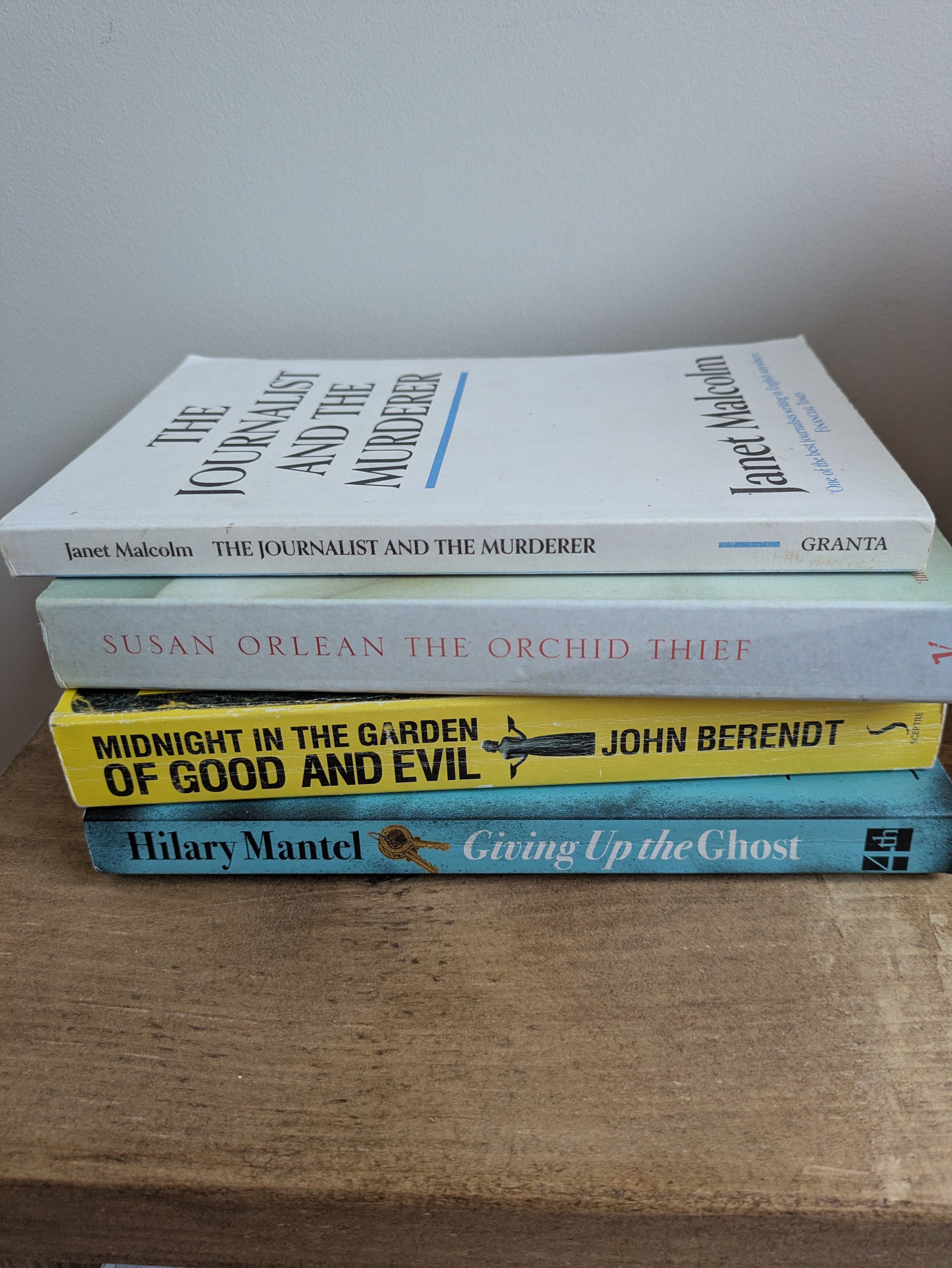
The writing that has always most compelled me is the immersive kind, where you feel the writer is entirely at ease moving between different groups of people. That is how it has always worked best for me. When I was researching Anywhere But Here, I took a train to one end of the country or other at least once a month. An unplanned conversation in a shopping precinct in Doncaster led to another in Sheffield, which formed a chapter. A throwaway remark from someone in Dover that meant nothing to them sparked something instantly in me. “That's it!” I'd think. “The kernel of an idea.” Following your nose, pulling threads, seeing what emerges. Magic.
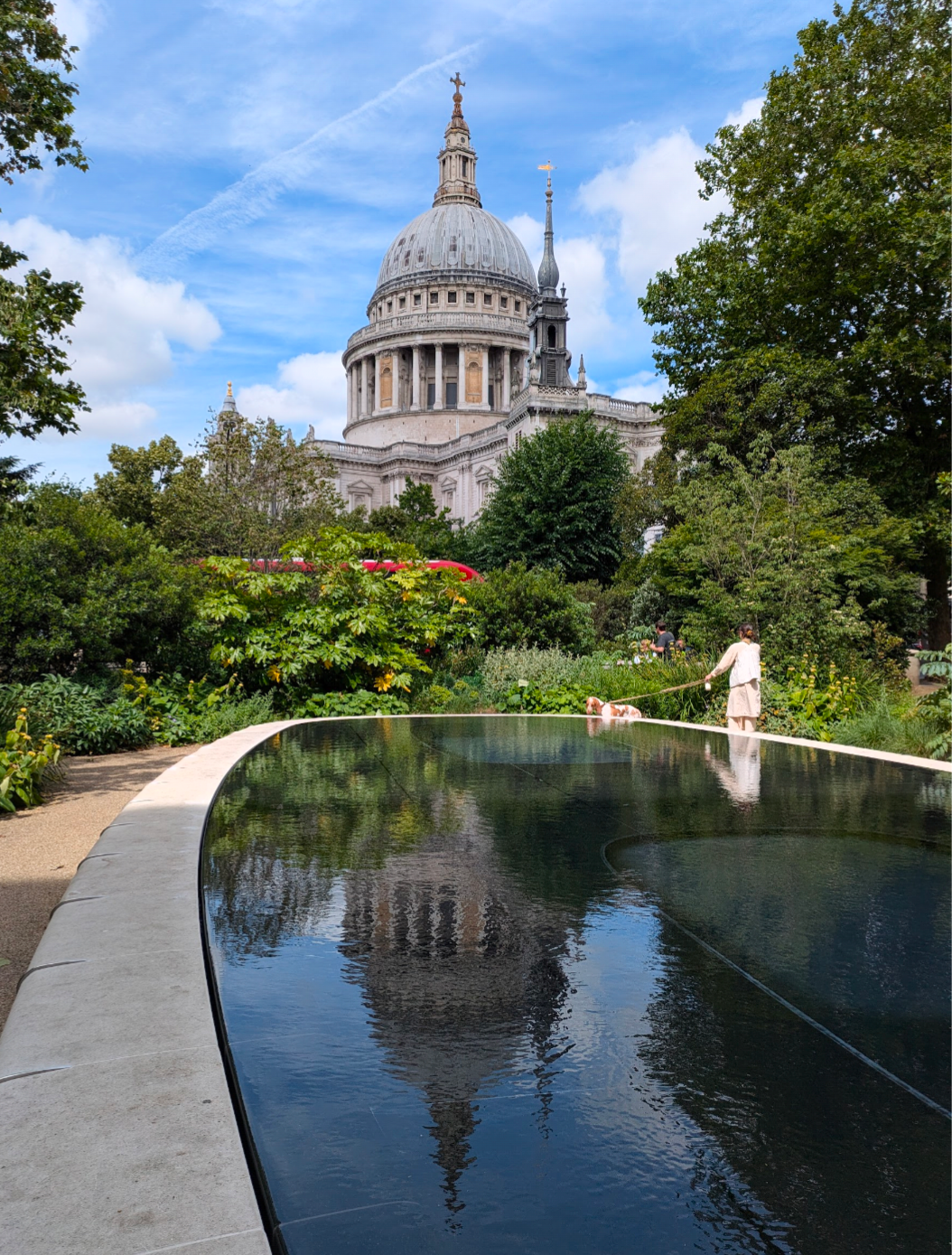
A couple of years ago I decided to take a walking tour of Dickens’ London, beginning in the shadows of St. Paul’s, trawling along the alleyways off Fleet Street, sweeping through Ludgate Hill and over to the legal quarter. It's an area of the city I've barely ever grazed, but I was in safe hands. My guide, Greta, a retired lecturer, ended up taking me, her solo charge, on a literary-themed walk, pointing out the sites that inspired his writing. Dickens, ever the journalist, would walk miles around London - ten miles a day, Greta thought - stopping to talk to whoever would talk. Street ‘urchins’, prostitutes, merchants, police officers, factory workers: those conversations turned into Nancy and Uriah Heep and the Artful Dodger. I often wonder at how distant Dickens’ approach seems now from the world we live in, barely glancing up from our phones long enough to notice people around us, let alone starting a chat.
Not long after my day with Greta, I went to a talk by Andrew O’Hagan, who spoke about the decade he spent working on the highly Dickensian (and BRILLIANT) Caledonian Road, immersing himself in his character’s worlds, going along to dinners with Russian oligarchs, hanging out with a gang leader, code-shifting, absorbing dialects, tics and styles of dress. Patrick Radden Keefe found his story for London Falling by flicking through obituaries in the New York Times and then spent several months building a relationship with the Brettler family, earning their trust and walking through Zach’s world. It's all about walking, seemingly.
The other thing I've noticed is that non-fiction ideas tend to come from journalism, most commonly a long read, where the material is already gathered and the idea already thought through. Writing a book takes years and financing that time is something that's never really discussed. There is an advance, there are grants but there's also the challenge of a publisher's budget constraints. If I work out how many hours I spent working on my book, I would definitely have earned below minimum wage (but my god was it worth it - professionally, it is the best thing I have ever done). The only way I could make it work was by wrapping the material I already had into the book. In the end, around half the material was journalism I'd done over the previous few years and the rest was original reporting and deep, deep, in-the-weeds-style research.
What it boils down to is what publishers think will make them money. If the idea isn't grabby enough for the customer to spend £10 on it, you won't get a deal, no matter. who you are. So it’s back to Carol and what she wants to read. And the question for the writer becomes: Do I keep going with what I've got or do I give in and write what sells? The more full my bin gets, the more it becomes clear to me that staying true to the idea is what counts. Anything else is just a sell out.
"How to find ideas" -
(1) By savouring classical architecture.
(2) By savouring that incomparably more exciting Big Pond instead (the dog).
- As illustrated.
Love to read your writing - felt as if I was wandering & wondering alongside you …