
Diplomacy 2.0
The next chapter

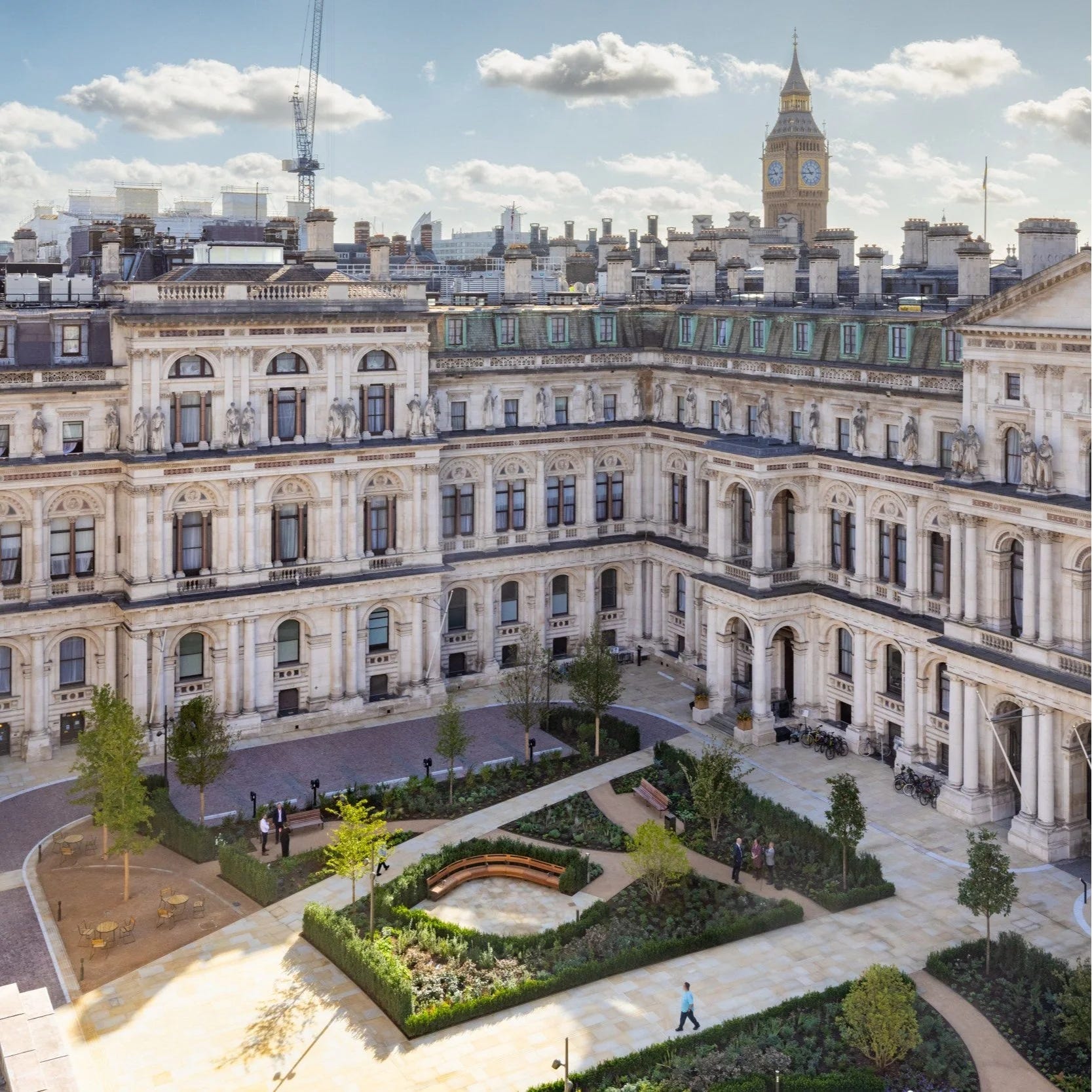
We’re very ostentatious here, the lady in the tailored suit and blunt bob haircut told me as we walked up the red carpet of King Charles Street. Don’t be intimidated, it’s all just for show.
I was intimidated. I was 24 and had just passed through the security gates of the Foreign Office for the first time, whispering my name in a shaky voice to the receptionist (Sorry? Nicole?) and tucking my brick phone into a tiny locker.
Sitting on the edge of my seat in reception, my pencil skirt so tight it restricted the bloodflow to my legs, a cold shiver ran down the back of my neck. The tiny room looked out onto a courtyard surrounded by Victorian buildings with ornate columns, red granite arches and a brass gate leading to the infamous black door of No 10 beyond.
The woman who came to meet me for the interview was a career diplomat: sharp, articulate, impressive. Deputy Ambassador to a small post, Political Counsellor at another, now begrudgingly back in London before another stint overseas.
As we walked along the corridors, the click-clack of my heels echoing back at me, she pointed out the rooms where significant historical events had unfolded. Up the carpeted stairs with the oak railing, chandeliers glistening, was what would become the first office I ever worked in. It would go on to be a life-changing interview. I often wonder what I would’ve done had I not been offered the role.
Two weeks ago I was back at King Charles Street for the first time since I started working there in 2010. In the interim period, my attention has largely focused on domestic policy, first for the Home Office and then the home affairs brief in journalism, but this felt like a kind of homecoming. Much about my new job does; my career has come full circle.
The Quad at King Charles Street has recently been landscaped into a garden, dotted with rose bushes and coffee tables towards the sunny side. That’s where I met my counterparts, including a former colleague. We chatted about the changes - in government, the building, life - over the last fifteen years. I rediscovered a dormant muscle, long since flexed: the art of diplomacy.
Diplomacy requires a different kind of thinking and behaving. To make it in this world, you need the capacity to think quickly, articulate your advice with impact, build warm relationships, and charm in abundance. After years spent in bleak shelters, dark detention centres, dingy asylum hotels, I had forgotten so much of it but, like any other skill, it has all come tumbling back.
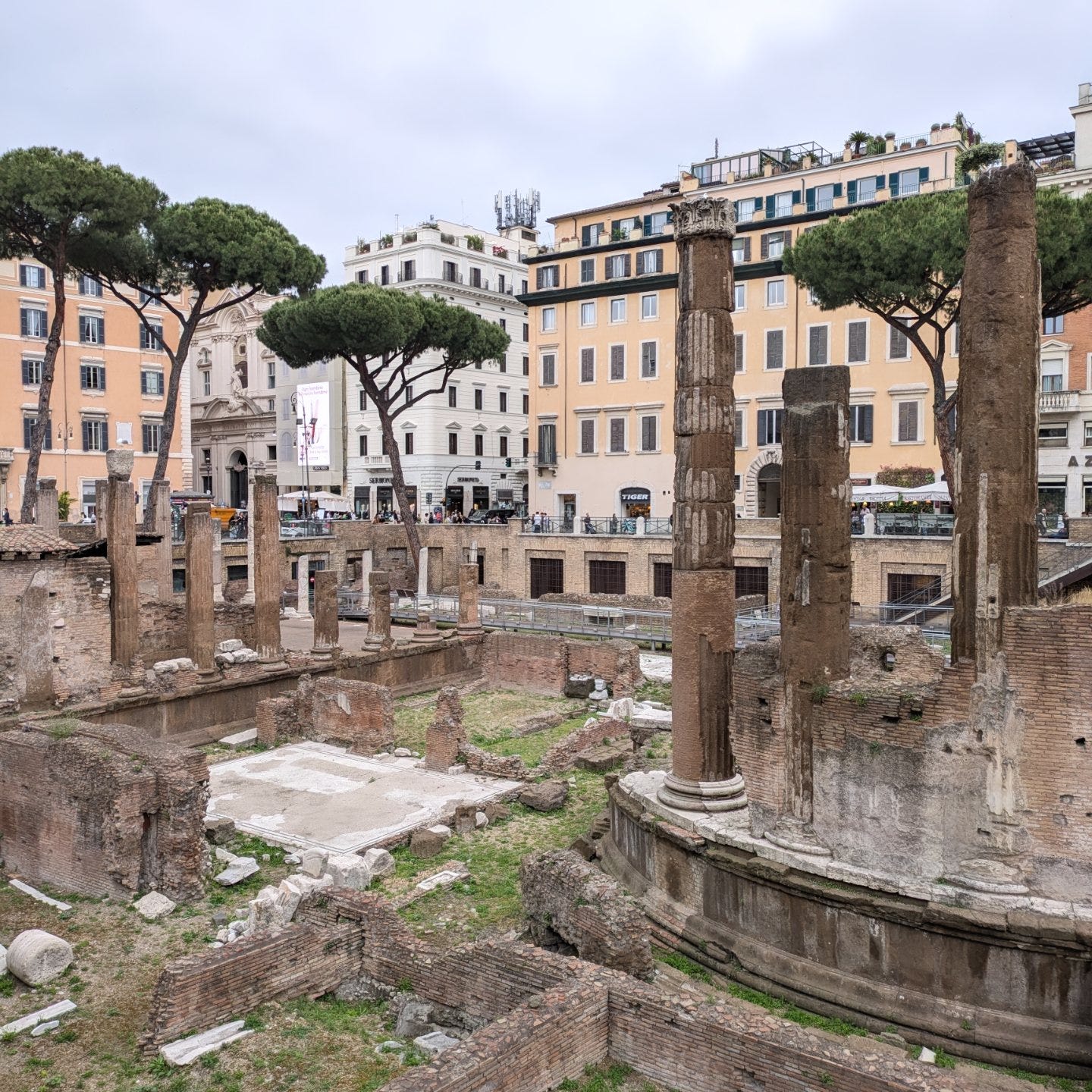
Another full circle moment: this week I was in Rome, where I lived eighteen years ago, just before I joined the Foreign Office. In many ways, it was a discombobulating few days. Wandering through the piazze and speaking Italian again was a joy, in spite of the rain, but this time I wasn’t on holiday; I was there to visit my new colleagues at the World Food Programme’s headquarters.
Being back in an institutional setting feels familiar to me. Britain’s diplomatic service is broadly structured the same way as a UN agency. I think of the London office, my ‘duty station’, as a mini Embassy. The Country Offices are where operations take place, usually in conflict or climate-affected areas where people are facing acute hunger. Posts report into HQ in Rome, just as I used to report into No 10 from Embassies overseas; it’s the nerve centre. The main purpose of the trip was to meet as many people as possible and figure out the lay of the land. Over the course of three days, I shook a lot of hands, made a lot of notes and generally walked around the enormous building jacked up on coffee and adrenalin.
A huge amount has landed on my desk since I started at WFP six weeks ago. This is a time of resource-constraint, and the whole UN system has recently had to make brutal cuts. I’m one of very few new hires and I’ve arrived at a time of huge upheaval and flux. The entire humanitarian sector has been discredited, funding hacked away and colleagues’ roles abolished. Some positions have been merged, with additional responsibilities handed over and a heavier workload. Meanwhile, the number of hungry people around the world has surged, not least with the latest escalation in the Middle East and its reverberations around the world. The need is greater than ever - there were two famines confirmed last year for the first time this century, in Gaza and Sudan - but the support to do the work and crucially to get the food to those who need it most, is down.
So I’ve joined at a strange time, to put it mildly - but with change comes opportunity. We are all resources to pull from and we will have to work more closely together to get things done. It is also a changeover period, with many people preparing to move abroad during the summer school break. Some are about to be reunited with their spouses and children after months apart. Others are in the process of finding a new home, starting their kids at a new school, preparing to start afresh once again. I’m learning that you get used to the goodbye drinks, different faces, changing roles. Always adapting and navigating through choppy waters: that is a skill in itself. Maybe that’s part of being a diplomat. Time will tell.
Wishing you the very, very best in such an admirable new venture, Nicola!
"☺️👍"